how a cheap plastic camera became my go-to for photography
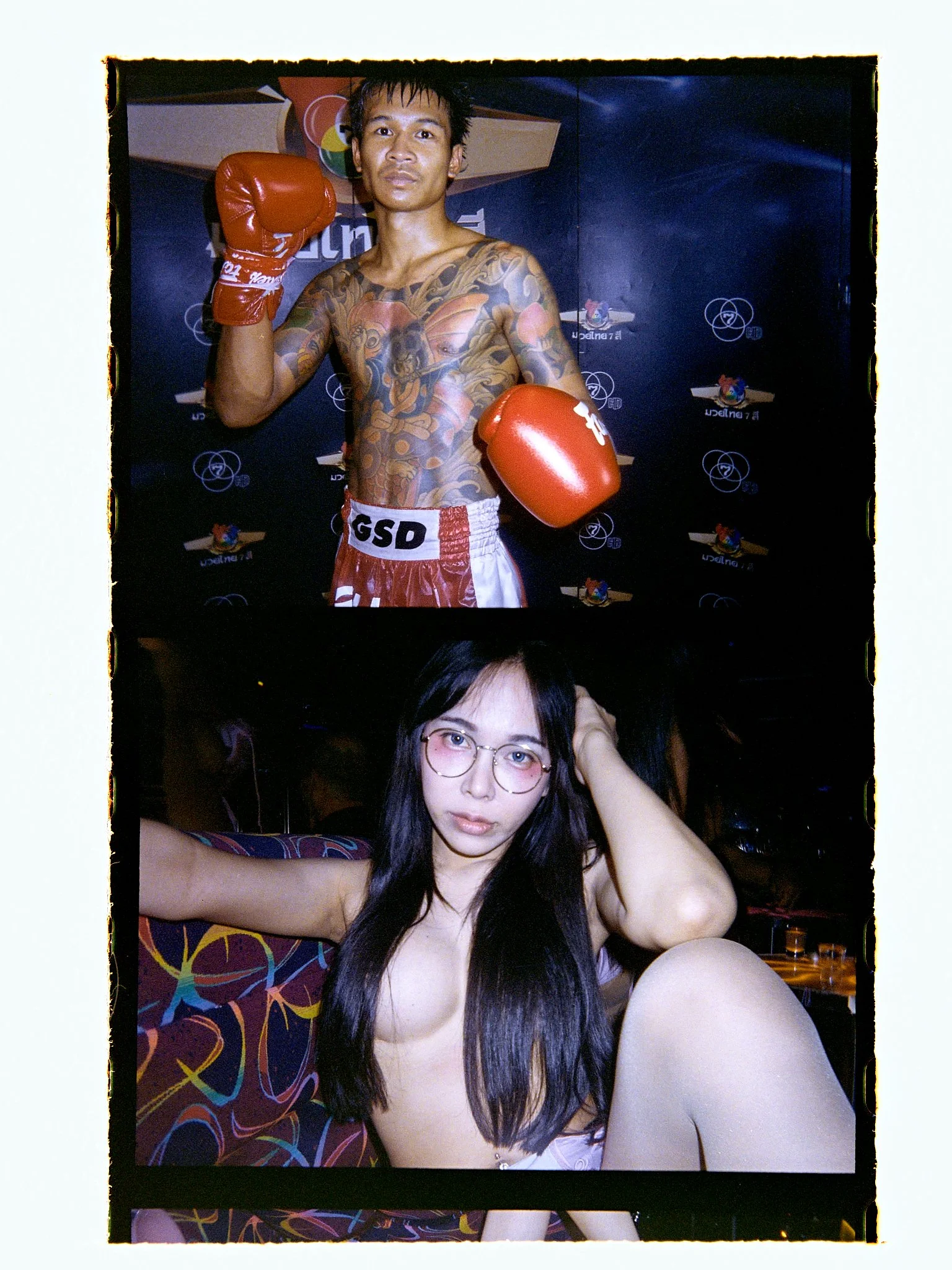
I’ve never been a technical photographer. For years, I shot on auto because I didn’t want to think about the camera. I just wanted to focus on what was in front of me and how to frame it.
As I learned more, that started to change. I understood what different settings could do, what kinds of images were possible. But instead of helping, it got in the way. I was thinking more about shutter speeds and ISO than the moment itself. I could see more, but I was missing more too.
I’d be adjusting settings while things were happening right in front of me. By the time I was ready, the moment had already gone.
That frustration built slowly. The better my cameras got, the worse it felt. When I was less experienced, I was missing shots without realizing it. Now I could see exactly what I was missing, and why. I’d walk away thinking, if only I’d set this differently.
That wasn’t why I started shooting in the first place.
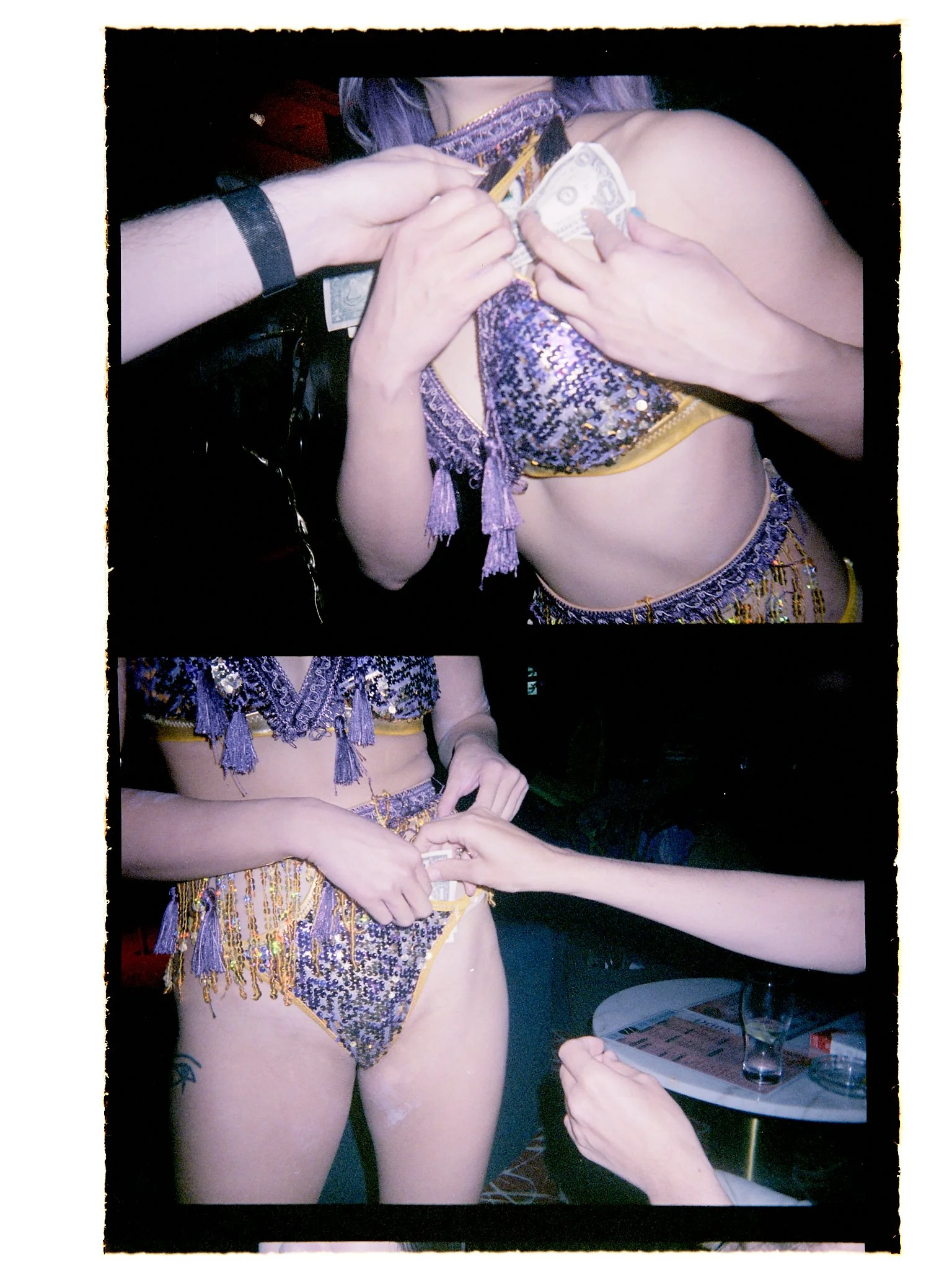
I picked up a cheap half-frame film camera almost as an afterthought. Something I could take into clubs without worrying about it getting soaked in beer or knocked around. At the time, my Ricoh GR II had already taken a beating, so this was just a backup.
After the first roll, it was obvious what the camera could and couldn’t do. It struggled with anything more than a meter away. The flash was basically mandatory. There wasn’t much flexibility.
At first, that felt limiting. Then it started to feel like a relief.
I stopped thinking about all the photos I couldn’t take and focused on the ones I could. There were no settings to tweak, no decisions to make. It could do one thing, and it did it every time.
So I adapted to it.
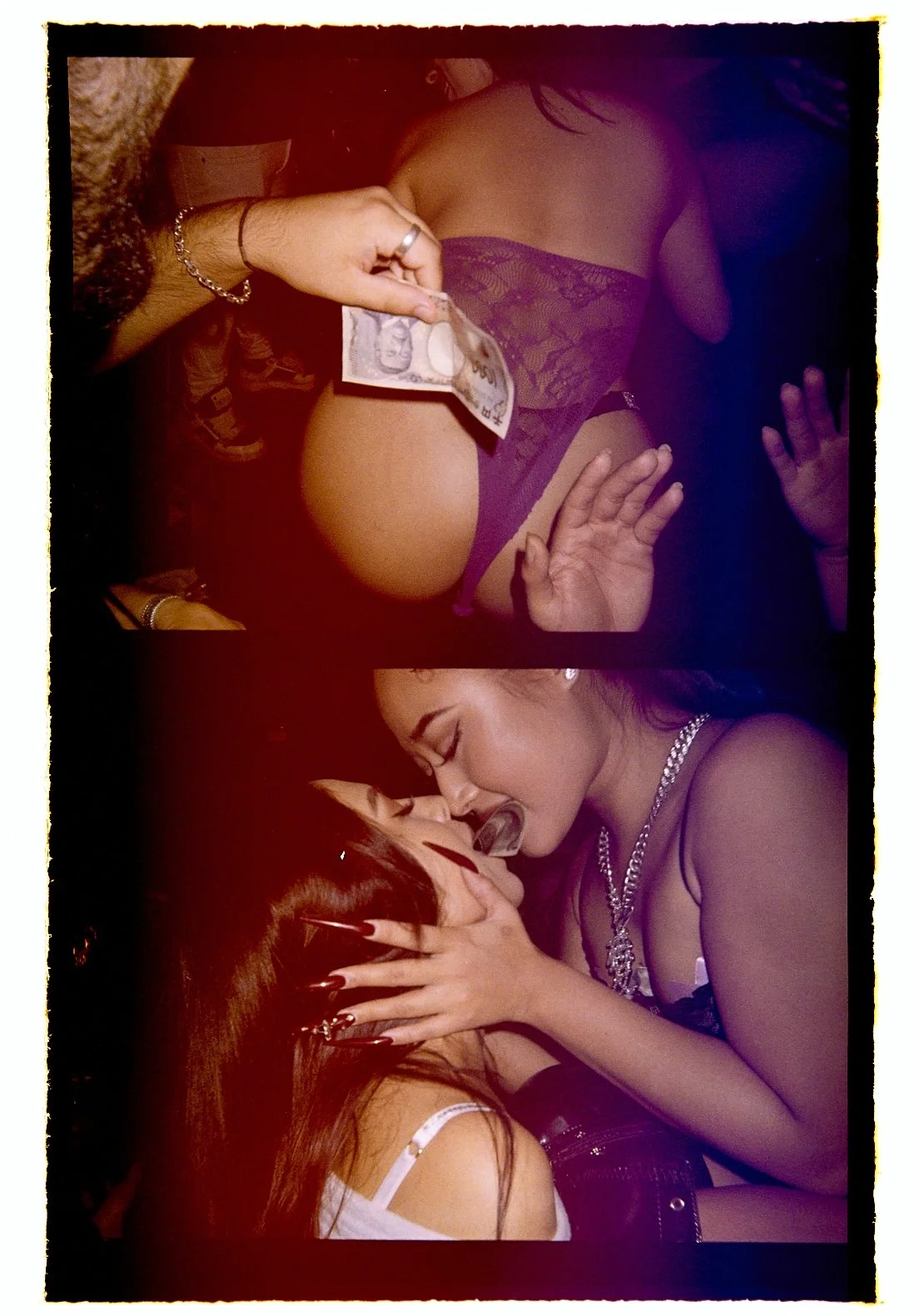
I started bringing it everywhere. Most nights, it sat in my pocket or at the bottom of my bag. I wouldn’t use it for everything, but when I saw something I knew it could handle, I’d reach for it without hesitation.
No second guessing. No adjustments. Just take the shot.
In 2023, I went to Thailand and everything clicked.
I was on a workshop with Greg Girard, moving between Bangkok and Chiang Mai. One night, I went to a Muay Thai stadium to shoot the fights.
I sat down, grabbed a beer, reached into my bag… and my Fujifilm X-Pro3 wasn’t there. I’d left it in the hotel.
All I had was the half-frame.
It felt like I’d shown up unprepared. Like I was about to miss everything.
Going back wasn’t an option. The fights were starting, the place was already loud, humid, chaotic. So I had to make a decision. Either sit there annoyed, or commit to the camera I had.
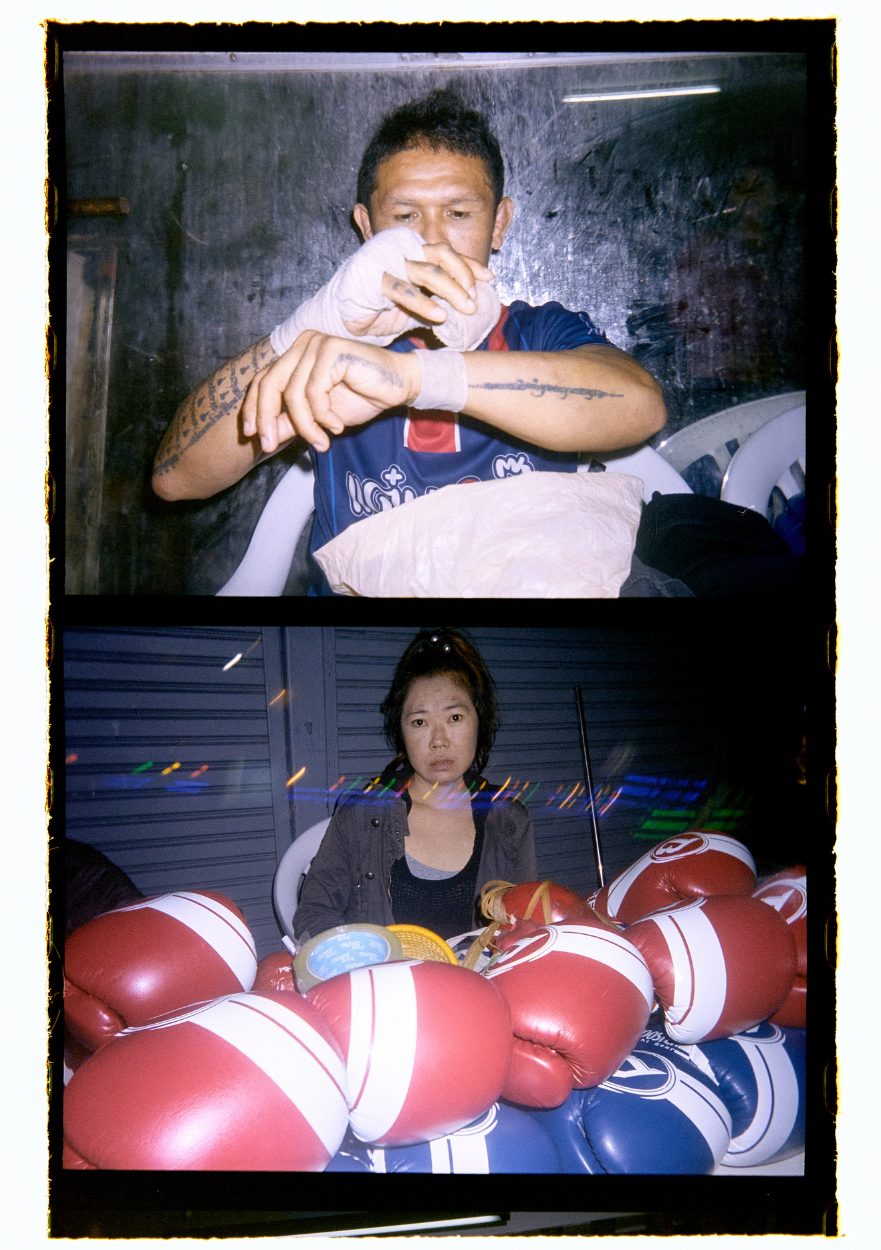
I chose to commit.
That meant getting closer than I usually would. Relying on the flash. Letting go of the shots I couldn’t take and focusing on what was in front of me.
Something shifted pretty quickly. I stopped thinking about what I was missing and started reacting to what was happening. The limitations forced me into the moment instead of keeping me just outside of it.
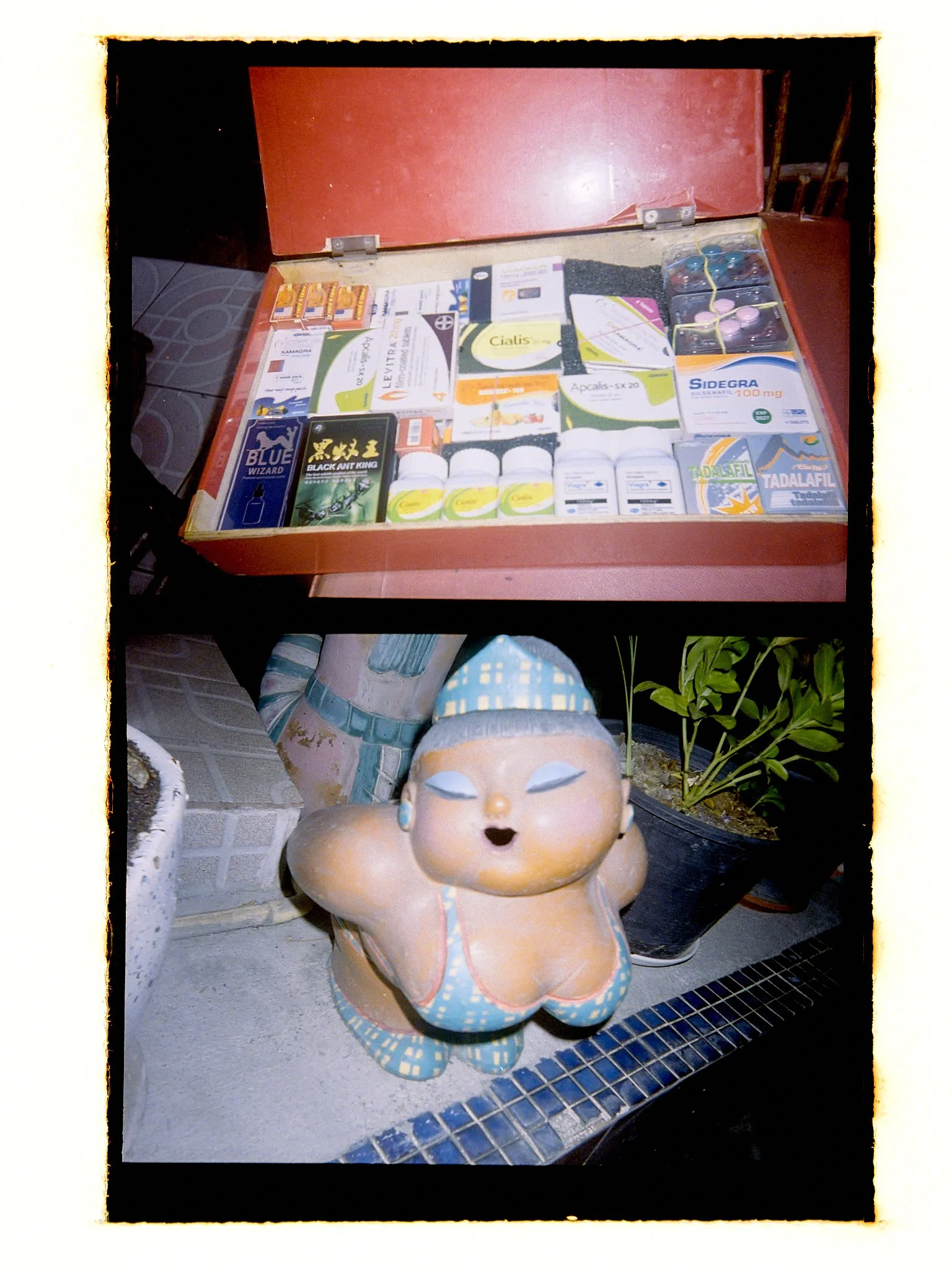
The photos weren’t clean. Focus wasn’t perfect, the light was harsh, and there was no real subtlety to it.
But it worked.
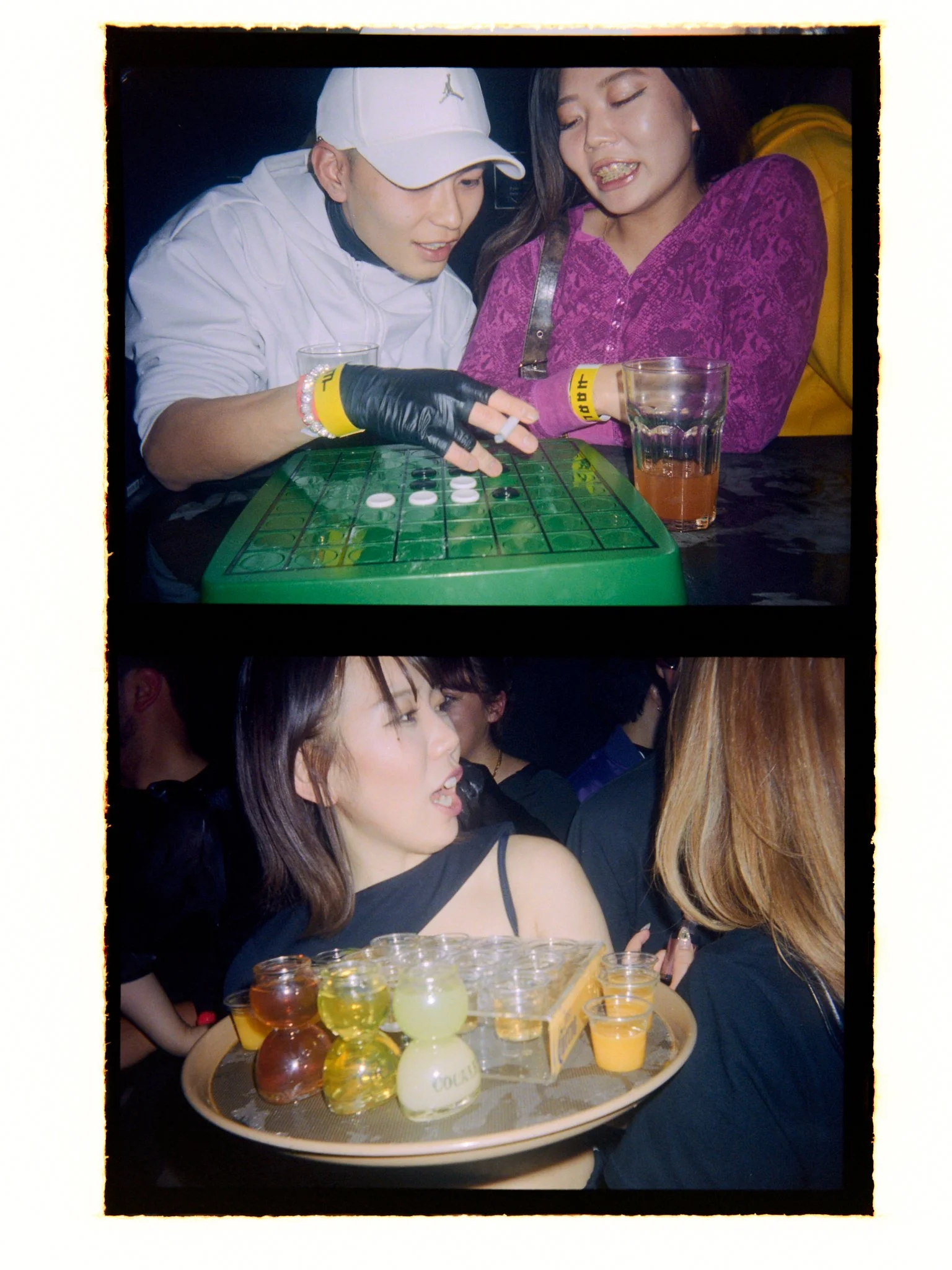
There’s a certain distance in a lot of modern nightlife photography. High ISO, ambient light, carefully balanced colors. It can look good, but it often feels detached.
What I was getting from this camera was the opposite. Direct flash, close range, no hiding. It felt more like being there. Less like observing, more like being part of it.
That became the appeal.
The half-frame also changed how I shot in a more practical way. With 72 exposures instead of the usual 36, I had a bit more room to take chances. Not careless like digital, but not overly precious either. Somewhere in between.
It pushed me into a rhythm. See something, move in, take the shot, move on.
No hesitation.
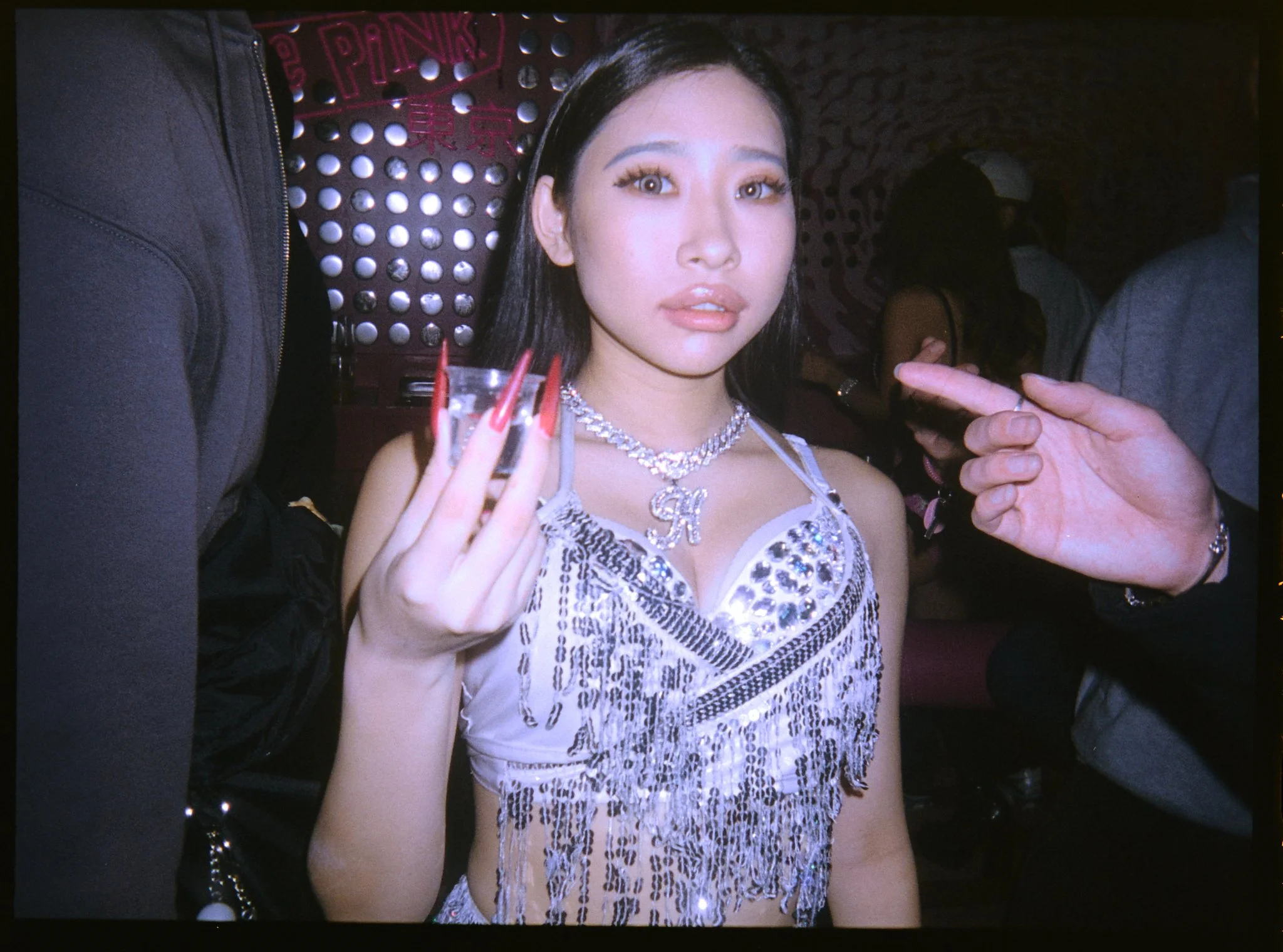
Since that night, it’s become my default for shooting nightlife. Even when I use other cameras, the way I shoot has changed. I’m less interested in getting everything “right” and more focused on getting something real.
The camera didn’t make me a better photographer. It just removed enough friction to let me get out of my own way.
Looking back at those images is what pushed me to return to Thailand and go deeper into that world.
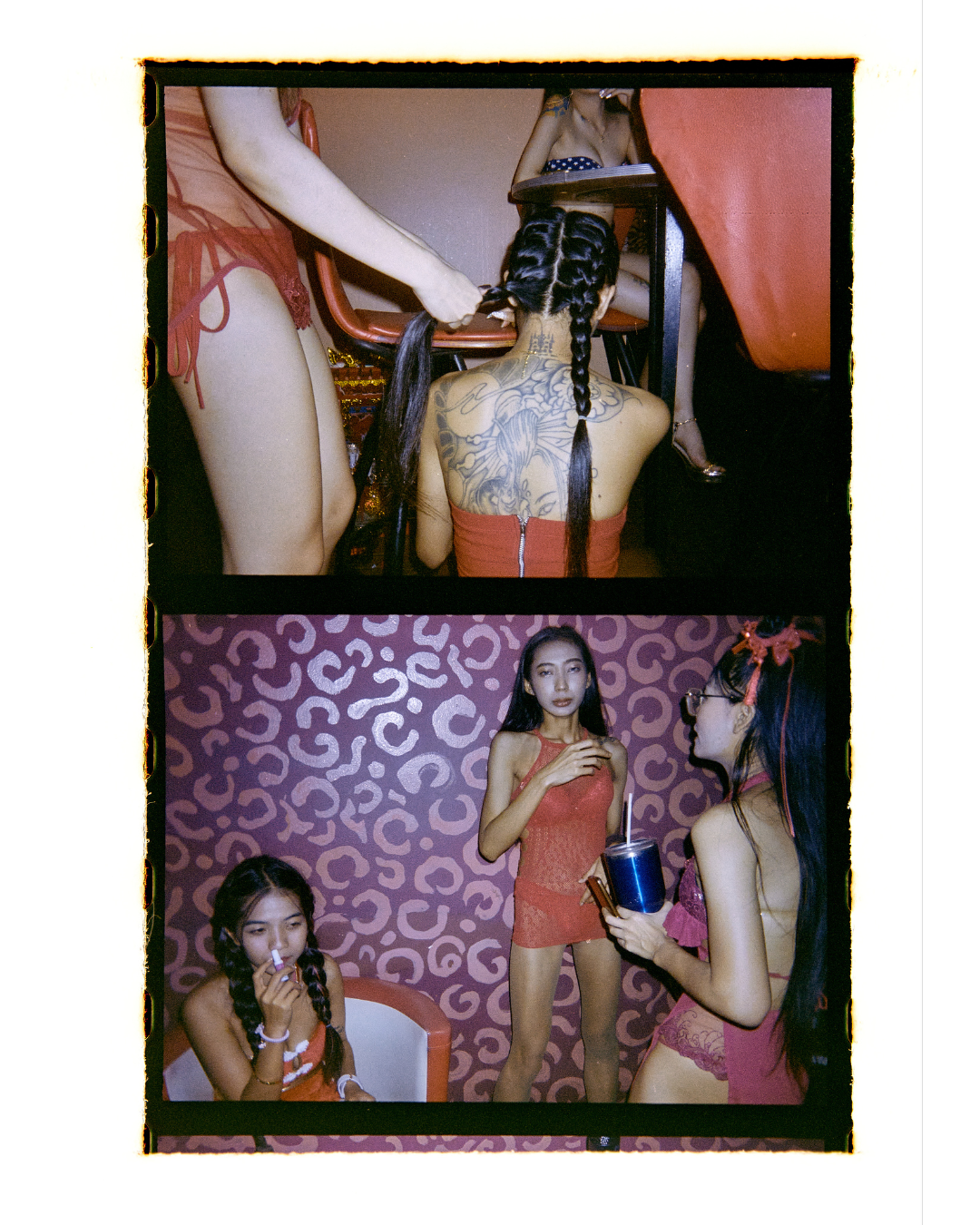
That body of work eventually became a 52-page photozine, built around the same approach. Close, direct, and shaped by the limitations of the camera itself.
There’s a line from Pablo Picasso about how it took him years to learn to paint like a master, and a lifetime to learn to paint like a child.
That idea stuck with me.
Photography felt similar. In the beginning, I wasn’t thinking about much. I was just reacting. Then I learned the rules, the settings, the technical side of it, and somewhere along the way I got further away from that instinct.
This camera stripped that back.
It removed most of the decisions and left me with something simpler. Not easier, just more direct. Closer to how I saw things when I first picked up a camera.
It’s easy to say it’s not about the camera. And technically, that’s true.
But some cameras make it easier to hide.
This one didn’t give me that option.